Onboard audio has come a long way — but a few real reasons to upgrade still exist
01The Honest Answer: Probably Not
Integrated audio on modern motherboards is genuinely good. Chips from Realtek and similar manufacturers have improved steadily over the past decade, and for everyday listening, video calls, and even casual music playback, onboard audio holds up fine. The signal-to-noise ratio on a mid-range motherboard now rivals cards that cost real money fifteen years ago. That's not marketing — it's just where the hardware landed.
The legacy players are still around. Creative Labs, who built their name on the Sound Blaster line, still ship discrete sound cards with features like EAX, SBX Pro Studio, and CrystalVoice. Those cards remain useful in specific niches. But for most home-studio producers reading this, a discrete sound card is not where the money should go.
02Where the Money Actually Goes
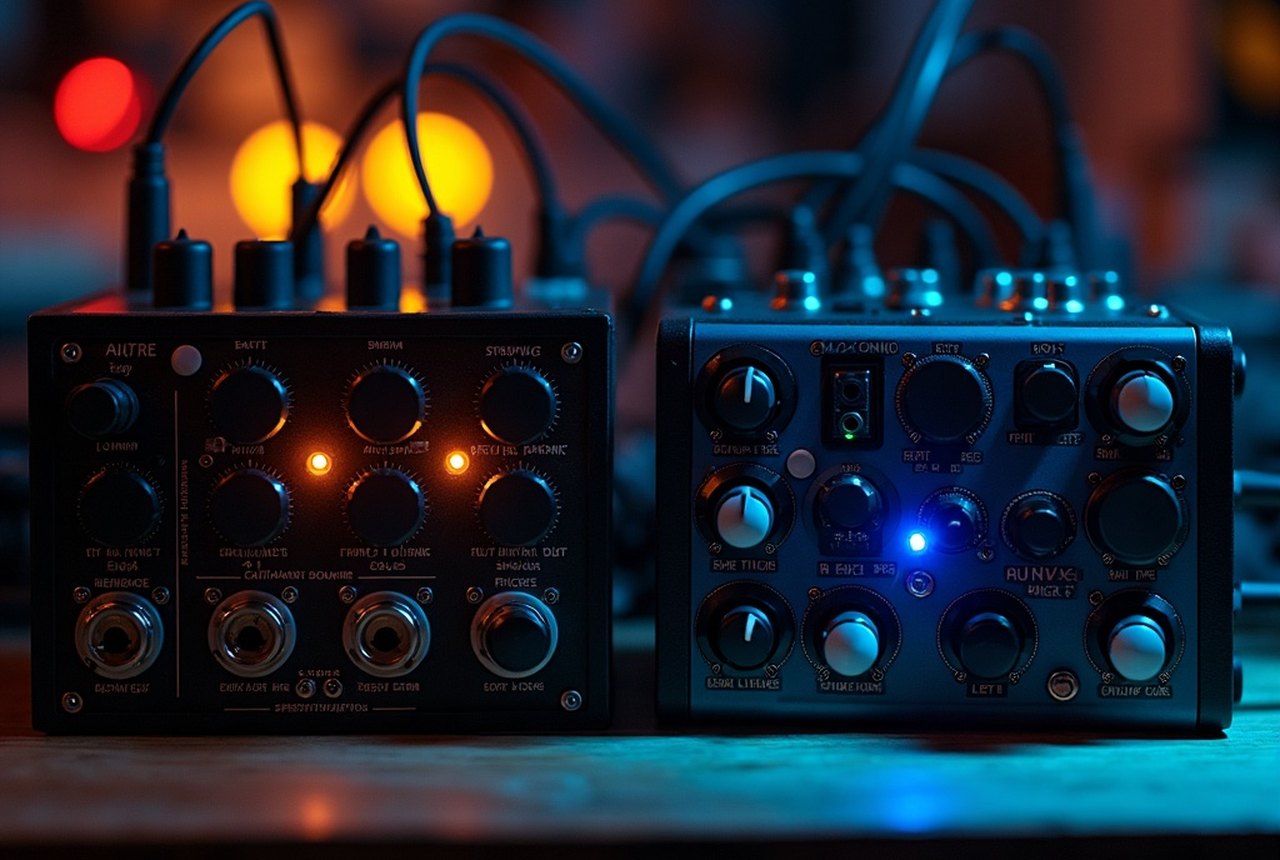
If you're recording — microphones, guitars, keyboards, anything analog — what you need is an audio interface, not a sound card. Focusrite, PreSonus, Audient, and M-Audio all make USB interfaces in the affordable-to-mid range that give you proper mic preamps, low-latency ASIO drivers, and clean analog-to-digital conversion that no internal card can touch at a comparable price. A Focusrite Scarlett or a PreSonus AudioBox will transform your recordings; a new sound card will not.
For MIDI work specifically, most modern USB audio interfaces also carry USB-MIDI functionality, or you pair them with a dedicated MIDI interface. Either way, an internal sound card is not part of that chain.
03The Cases Where a Card Still Makes Sense
A few real exceptions exist. PC gamers chasing 3D positional audio or using high-impedance headphones can get legitimate value from a discrete card — Creative's products handle both. Home-theater PC users who need reliable S/PDIF output to an external DAC or receiver sometimes find onboard implementations inconsistent. And if you're working entirely inside a PC with no analog sources, some internal cards offer cleaner headphone amplification than a cheap motherboard circuit.
But if you're buying gear for music production, skip the card aisle entirely. Put that budget toward a USB audio interface with ASIO support. You'll get better preamps, better converters, real monitoring options, and — if you're reading a MIDI guide — an actual path to connecting your hardware. That's a better investment by a wide margin.